Traveling is one of the most rewarding experiences in life. It allows you to explore beautiful destinations, experience different cultures, taste traditional foods, meet new people, and create unforgettable memories. Whether you are planning a relaxing beach vacation, an adventurous mountain trip, a family holiday, or an international journey, traveling gives you an opportunity to step outside your daily routine and discover something new.
However, a successful trip requires more than simply choosing a destination and booking a flight. Proper planning, budgeting, packing, accommodation arrangements, and understanding local customs can make a significant difference to your overall experience. With the right preparation, you can enjoy your journey without unnecessary stress or unexpected expenses.
Whether you are a first-time traveler or someone who regularly explores new destinations, this ultimate travel guide will help you make better decisions. From choosing the right destination and finding affordable flights to preparing essential travel items and staying safe, you will discover practical advice to make every journey more enjoyable.
Why Traveling Is Important for a Better Lifestyle
Traveling is not just about visiting famous landmarks or taking beautiful photographs. It provides opportunities to learn, develop new perspectives, and understand the world from different viewpoints. Exploring unfamiliar environments encourages independence, confidence, and adaptability.
One of the biggest benefits of traveling is experiencing different cultures. Every destination has its own traditions, lifestyle, food, architecture, and history. Visiting local markets, historical landmarks, museums, and traditional restaurants helps you understand what makes each place unique.
Travel can also provide a much-needed break from everyday responsibilities. Spending time in nature, relaxing near the ocean, or exploring a peaceful countryside destination can help you disconnect from your regular routine.
Traveling with family and friends creates opportunities to strengthen relationships, while solo travel can help you become more independent and comfortable in unfamiliar situations.
How to Choose the Best Travel Destination
Choosing the right destination is one of the most important parts of planning a successful trip. Your destination should match your interests, budget, available time, and preferred travel experience.
Before making a decision, consider what type of holiday you want.
Beach Destinations: If you enjoy warm weather, beautiful coastlines, and relaxing environments, consider destinations known for their beaches and coastal activities. Beach holidays are ideal for swimming, snorkeling, boating, and enjoying sunsets.
Mountain Destinations: Mountain regions are perfect for travelers who enjoy hiking, photography, fresh air, and outdoor adventures. You can explore scenic valleys, mountain villages, waterfalls, and beautiful natural landscapes.
Historical Destinations: If you enjoy learning about history and architecture, choose cities with ancient buildings, museums, monuments, and cultural attractions. These destinations provide opportunities to understand the history and traditions of different civilizations.
Adventure Destinations: Travelers looking for excitement can explore destinations offering camping, trekking, kayaking, wildlife experiences, and other outdoor activities.
Family-Friendly Destinations: When traveling with children or older family members, consider places with comfortable accommodation, convenient transportation, family attractions, and accessible facilities.
Before booking, research the weather, local transportation, accommodation costs, safety conditions, and seasonal travel requirements. Reading recent traveler experiences can also help you understand what to expect.
If you need more detailed ideas for organizing your vacation, explore our complete travel planning guide for 2026, which can help you prepare your itinerary and make better travel arrangements.
Plan Your Travel Budget Before Booking
A well-planned budget helps you enjoy your trip without worrying about unnecessary expenses. Travel costs can vary significantly depending on the destination, season, accommodation type, transportation, and activities you choose.
Start by estimating your major expenses, including flights, accommodation, food, local transportation, attraction tickets, and travel insurance.
Here are some practical ways to manage your travel budget:
Compare Flight Prices: Check different airlines and departure dates before purchasing tickets. Flexible travel dates can sometimes help you find more affordable fares.
Book Accommodation Wisely: Compare hotels, guesthouses, hostels, and vacation rentals according to your comfort requirements and budget.
Set a Daily Spending Limit: Decide how much you can spend on meals, transportation, shopping, and entertainment each day.
Explore Free Attractions: Public parks, beaches, walking routes, historical streets, and selected museums can provide enjoyable experiences without expensive entry fees.
Use Public Transportation: Buses, trains, and metro services are often more affordable than taxis or private transportation.
Keep Emergency Money: Always reserve some money for unexpected situations, medical expenses, or transportation changes.
Smart financial planning can make a major difference to your overall travel experience. For more practical suggestions, read our smart travel planning guide to save money and travel better, which explores ways to control expenses while enjoying a comfortable vacation.
Remember that the cheapest option is not always the best choice. Consider convenience, safety, location, and customer reviews before making important bookings.
Find the Best Time to Travel
Travel timing can influence your overall experience and expenses. Some destinations are more enjoyable during particular seasons, while others offer different attractions throughout the year.
For example, summer is popular for beach holidays, while winter attracts visitors to snowy mountain destinations and ski resorts. Spring and autumn can be excellent times to explore cities because the weather may be more comfortable and popular attractions may be less crowded.
Before choosing your travel dates, research the following:
-
Seasonal weather conditions and average temperatures.
-
Peak tourist seasons and expected crowds.
-
Local festivals, cultural events, and public holidays.
-
Seasonal hotel and flight prices.
-
Rainfall, snowfall, and possible weather disruptions.
If you want to save money, consider traveling during the shoulder season, which falls between the busiest tourist period and the quieter off-season. You may find better accommodation prices and a more relaxed atmosphere.
Always check weather forecasts closer to your departure date because seasonal averages cannot guarantee actual conditions.
Book Flights and Transportation in Advance
Transportation is an important part of every travel plan. Whether you are traveling internationally or exploring a nearby destination, choosing the right transportation option can save both time and money.
For international journeys, compare flight prices, baggage allowances, layover durations, cancellation policies, and departure times. A flight with a lower ticket price may include additional baggage or seat-selection charges, so review the total cost before booking.
For domestic travel, consider trains, buses, rental cars, and regional flights. Your choice should depend on the distance, available facilities, travel time, and personal comfort.
Sometimes, unexpected situations require travelers to arrange flights at the last minute. In such cases, understanding alternative routes, comparing different airlines, and checking flexible departure dates can help. You can also read our urgent flight ticket booking tips and tricks for useful advice on handling last-minute flight arrangements.
A few additional transportation tips include:
-
Double-check passenger names and travel dates before confirming a booking.
-
Review baggage restrictions and airline policies.
-
Keep digital and printed copies of your tickets.
-
Check airport transfer options before arrival.
-
Allow extra time for check-in, security, and immigration procedures.
-
Download offline maps to help navigate unfamiliar places.
For international travelers, the IATA Travel Centre is a useful resource for checking passport, visa, and health-related travel requirements.
Choose Comfortable and Safe Accommodation
Your accommodation can have a major impact on your travel experience. A comfortable place to stay gives you somewhere to relax after sightseeing, enjoy your meals, organize your belongings, and prepare for the next day.
When comparing hotels or vacation rentals, do not focus only on the nightly price. Consider the location, cleanliness, security, available facilities, transportation access, and recent guest reviews.
Here are some factors to check before making a reservation:
Location: Choose accommodation near the places you plan to visit or close to reliable public transportation.
Guest Reviews: Read recent reviews to understand the actual experience of previous visitors. Pay attention to cleanliness, staff behavior, noise levels, and check-in arrangements.
Available Facilities: Check whether the property provides Wi-Fi, air conditioning, breakfast, parking, laundry facilities, and other services you need.
Cancellation Policy: Understand the refund conditions, payment requirements, and cancellation deadlines before confirming your booking.
Safety: Check property security, reception arrangements, emergency exits, and the surrounding neighborhood.
Booking a hotel slightly outside a popular tourist area can sometimes reduce costs, but make sure transportation remains convenient and affordable.
Essential Travel Packing Checklist
Packing properly can make your journey much easier. Forgetting important documents, medication, chargers, or suitable clothing can create unnecessary problems during your trip.
The best approach is to prepare a packing list according to your destination, weather, travel duration, and planned activities.
Important Travel Documents
-
Passport and required visas.
-
Flight tickets and accommodation confirmations.
-
Travel insurance documents.
-
Identification cards and driving permits, where applicable.
-
Emergency contact information.
-
Digital and printed copies of important documents.
Clothing and Personal Items
-
Comfortable everyday outfits.
-
Weather-appropriate jackets or clothing.
-
Walking shoes and suitable footwear.
-
Sleepwear and undergarments.
-
Sunglasses and hats.
-
Toiletries and personal hygiene products.
Electronics and Accessories
-
Mobile phone and charger.
-
Power bank.
-
Travel adapter suitable for your destination.
-
Headphones.
-
Camera and accessories, if needed.
Health and Emergency Essentials
-
Regular prescription medication in its original packaging.
-
Basic first-aid supplies.
-
Hand sanitizer and tissues.
-
Sunscreen and insect repellent, depending on your destination.
International travel requires additional preparation because you may need specific documents, mobile connectivity, suitable luggage, and other essential items. Before departure, check our international trip essentials & complete travel guide to make sure you have considered the important details of an overseas journey.
Avoid overpacking because carrying unnecessary luggage can make transportation difficult. Check your airline's baggage allowance before leaving home, particularly if you are traveling internationally.
How to Travel Safely and Avoid Common Problems
Travel safety should always be a priority, whether you are visiting a nearby city or traveling to another country. A little preparation can help you avoid common problems and respond more effectively to unexpected situations.
First, research your destination before departure. Learn about local laws, transportation arrangements, emergency contacts, and areas that travelers should approach with caution.
Keep your passport, money, and important documents secure. Avoid carrying all your cash in one place, and use secure bags when visiting crowded markets, public transportation stations, or popular tourist attractions.
You should also follow these safety practices:
-
Share your itinerary and accommodation details with someone you trust.
-
Keep emergency contacts saved on your phone.
-
Use trusted transportation services.
-
Avoid displaying expensive electronics or large amounts of cash unnecessarily.
-
Be careful when using public Wi-Fi for financial transactions.
-
Keep digital copies of your important travel documents.
-
Understand local emergency procedures and contact information.
Travel insurance is another important consideration. Depending on the policy, it may provide coverage for certain medical emergencies, trip cancellations, lost baggage, or travel interruptions. Always read the exclusions, coverage limits, and claim conditions before purchasing a policy.
For additional preparation, read the official international travel planning checklist. Travelers should also check the official government guidance for their own country.
Discover Local Food and Cultural Experiences
Food is one of the most enjoyable parts of traveling. Every destination offers unique flavors, cooking traditions, and local specialties that reflect its culture and history.
Instead of eating only at familiar international restaurants, consider trying traditional dishes and visiting popular local food markets. You may discover memorable meals that become one of the highlights of your journey.
Cultural experiences can make your trip even more meaningful. Depending on your destination, you can visit traditional villages, attend local festivals, explore historical sites, watch cultural performances, or participate in guided tours.
However, always respect local customs and traditions. Learn basic greetings, understand appropriate clothing expectations, and ask permission before photographing people or private cultural spaces.
Being respectful toward local communities helps create positive experiences for both travelers and residents.
Best Ways to Save Money While Traveling
You do not need an expensive holiday to enjoy a memorable travel experience. With careful planning and smart spending decisions, you can explore more places while staying within your budget.
Here are some practical money-saving strategies:
Travel During Less Busy Periods: Compare prices outside major holidays and peak tourist seasons. Lower demand may provide more affordable flights and accommodation.
Compare Different Booking Options: Check multiple airlines and accommodation providers before making a decision. Always compare the final price, including taxes and additional charges.
Use Local Transportation: Public transport can help reduce daily transportation expenses and provide a better understanding of local life.
Eat at Local Restaurants: Local cafes and restaurants may offer authentic meals at more affordable prices than restaurants in heavily visited tourist areas.
Look for Attraction Passes: Some cities offer passes that combine entry to multiple attractions. Compare the total price with individual tickets to determine whether the pass offers genuine savings.
Book Activities Carefully: Compare guided tours, entrance tickets, and activity packages. Check what is included before paying.
Avoid Unnecessary Shopping: Set a shopping budget and prioritize experiences over buying items you do not need.
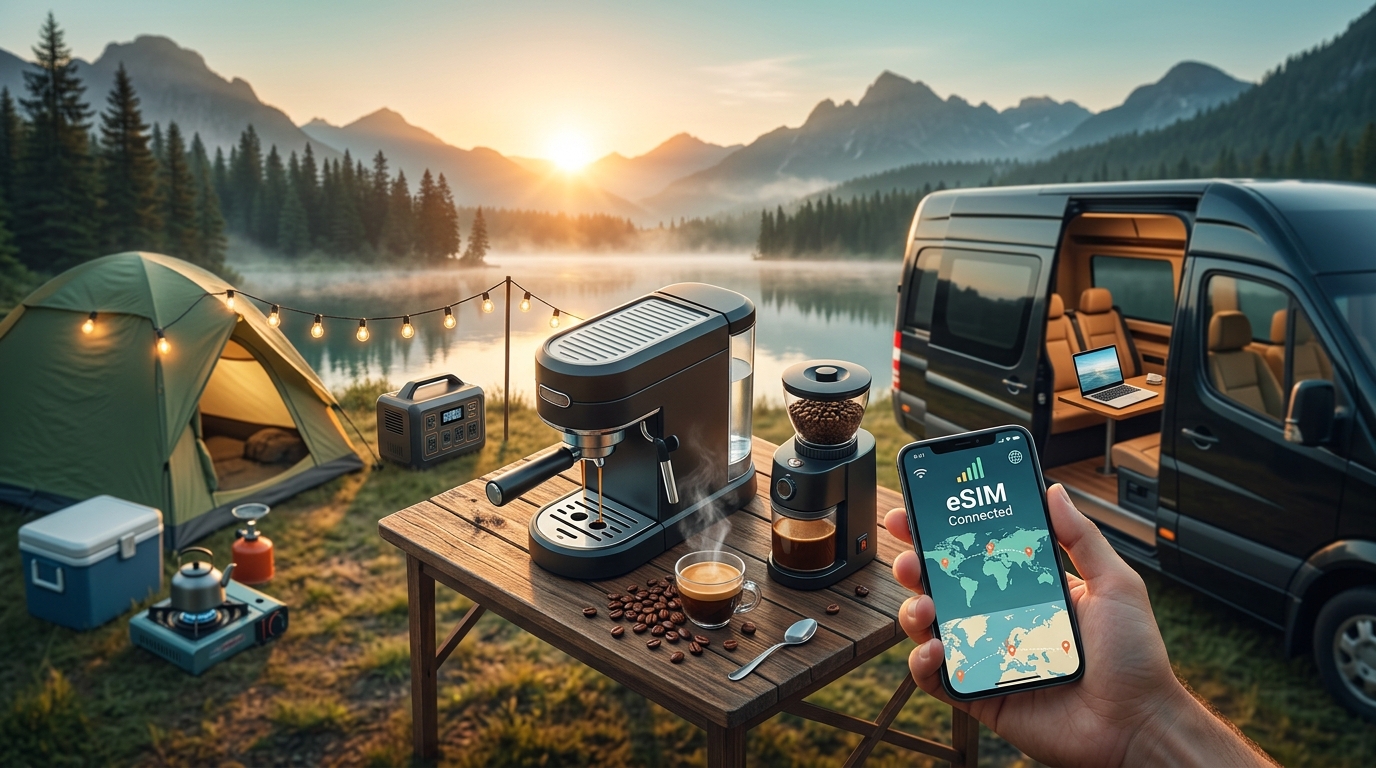
Travel-related products and services can also influence your overall expenses. For example, camping equipment, mobile connectivity, transportation services, and even coffee essentials can be useful during different types of journeys. Explore our best travel deals on coffee, camping gear, eSIMs, and rides to discover ideas for useful travel purchases and potential savings.
Smart travel is about spending money where it adds value to your experience rather than simply choosing the lowest-priced option.
Travel Tips for First-Time International Travelers
Your first international trip can feel exciting, but it may also involve unfamiliar procedures and responsibilities. Preparing in advance can make the experience much more comfortable.
Start by checking your passport validity and researching the entry requirements of your destination. Some countries require a visa, electronic travel authorization, or additional documentation. Requirements depend on your nationality and destination, so always confirm them through official government or embassy sources.
Before departure, make sure you understand your airline's baggage rules, airport procedures, and arrival arrangements.
Here are some additional suggestions for first-time international travelers:
-
Arrive at the airport with enough time for check-in and security.
-
Keep your passport, boarding pass, and other important documents accessible.
-
Inform your bank about international transactions if necessary.
-
Arrange a reliable way to access mobile data or internet.
-
Learn a few basic phrases in the local language.
-
Download maps and essential travel information for offline use.
-
Keep your accommodation address available for your arrival.
-
Review local currency and payment options before leaving.
-
Understand local transportation systems.
-
Keep emergency funds separate from your everyday spending money.
Most importantly, do not try to plan every minute of your trip. Leave some free time for spontaneous activities, unexpected discoveries, and relaxation.
How to Make Your Travel Experience More Memorable
A memorable trip is not always about visiting the maximum number of attractions. Sometimes, the best experiences come from spending time in one beautiful place, talking to local people, discovering a hidden restaurant, or enjoying a peaceful afternoon.
Try to create a balanced itinerary that includes sightseeing, cultural activities, outdoor experiences, and relaxation.
Keep a travel journal or take photographs to remember important moments. You can also collect small souvenirs, postcards, or local crafts that remind you of your journey.
If you are traveling with family or friends, involve everyone in planning activities so that the trip includes something enjoyable for each person.
Be flexible when plans change. Weather conditions, transportation delays, or unexpected closures can affect your itinerary. Having alternative activities makes it easier to adjust without ruining your holiday.
The real value of traveling comes from the experiences you collect, the people you meet, and the memories you bring home.
Final Thoughts
Traveling offers an excellent opportunity to explore the world, experience different cultures, and take a break from everyday life. However, enjoying a successful journey requires thoughtful planning, realistic budgeting, suitable accommodation, and attention to safety.
Whether you are planning your first international holiday or your next weekend getaway, start with a destination that matches your interests and budget. Research transportation, prepare your essential documents, pack carefully, and leave enough room in your schedule to enjoy unexpected experiences.
With these practical travel tips, you can make better decisions, avoid common mistakes, and enjoy a more comfortable and rewarding journey. Remember, a great trip is not measured by how much money you spend or how many places you visit, but by the experiences and memories you create along the way.
Frequently Asked Questions (FAQs)
1. How do I plan a successful trip?
Start by selecting a destination, deciding your travel dates, and setting a realistic budget. Research transportation, accommodation, weather conditions, entry requirements, and local attractions. Prepare your documents and packing checklist before departure.
2. What is the best way to save money while traveling?
Compare flight and hotel prices, travel during less busy seasons, use public transportation, explore free attractions, and eat at local restaurants. Planning your daily expenses can also help prevent unnecessary spending.
3. What are the most important things to pack for a trip?
Important travel essentials include your passport, visa if required, tickets, accommodation details, suitable clothing, toiletries, mobile phone, charger, medication, and emergency contact information.
4. How can I choose the best travel destination?
Consider your interests, budget, available vacation time, preferred weather, and travel companions. Research the destination's attractions, transportation, accommodation, and safety conditions before booking.
5. Is travel insurance necessary?
Travel insurance is worth considering, especially for international trips. Depending on the policy, it may cover certain medical emergencies, trip cancellations, travel interruptions, or lost baggage. Review the policy carefully before purchasing.
6. When should I book flights and hotels?
There is no single booking period that guarantees the lowest price. Compare different dates and providers, monitor prices, and book when the total cost and conditions suit your budget. Popular destinations and holiday periods may require earlier reservations.
7. How can I stay safe during international travel?
Research local safety information, follow local laws, protect your personal documents, use reliable transportation, keep emergency contacts accessible, and avoid carrying large amounts of cash. Share your travel plans with someone you trust.
8. What should first-time international travelers know?
First-time travelers should check passport validity, visa requirements, airline baggage rules, local currency, transportation options, and accommodation details. They should also prepare emergency contacts and understand local customs before departure.
9. How can I make my travel experience more enjoyable?
Create a balanced itinerary, explore local food, interact respectfully with local communities, visit cultural attractions, and leave time for relaxation. Staying flexible can also help you enjoy unexpected opportunities.
10. Why is planning important before traveling?
Planning helps you manage expenses, organize important documents, choose suitable accommodation, understand local requirements, and reduce unexpected problems. It allows you to spend more time enjoying your trip instead of dealing with avoidable issues.