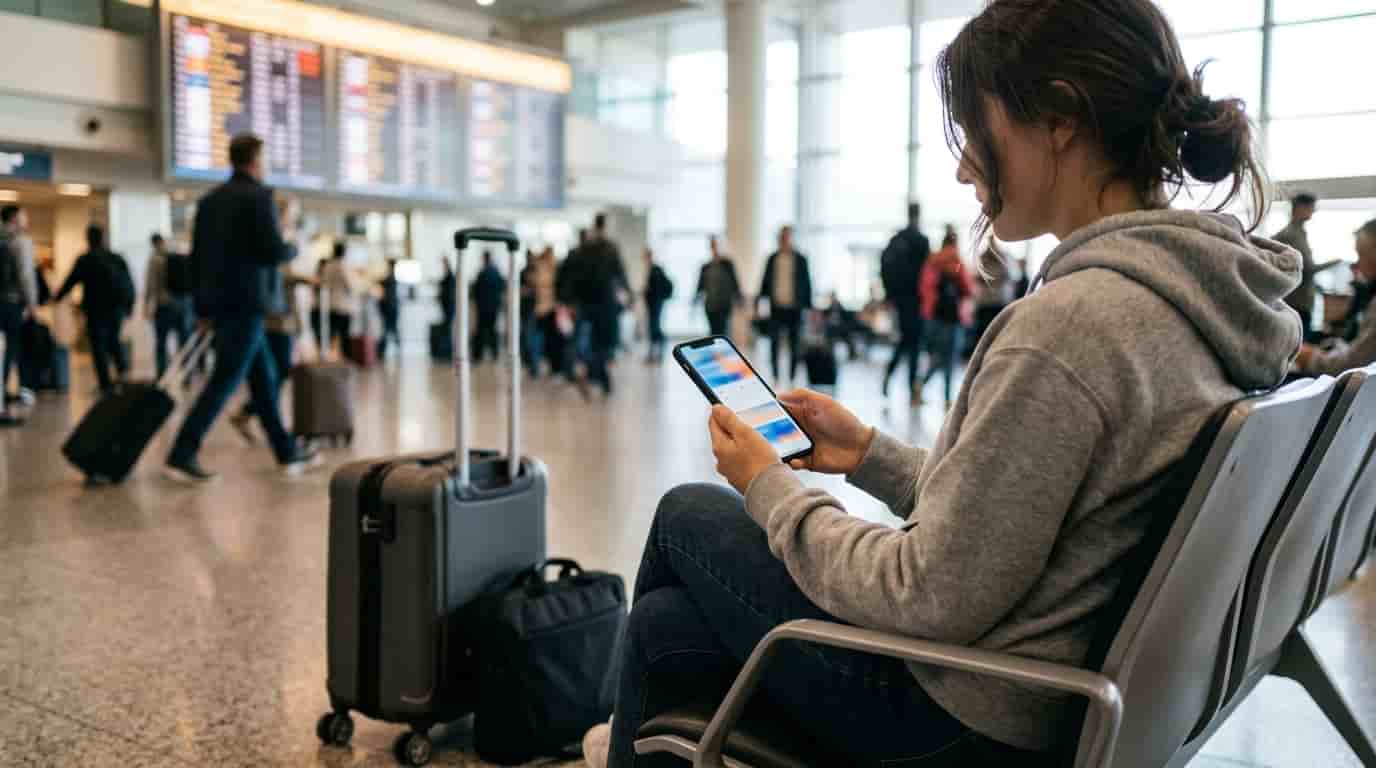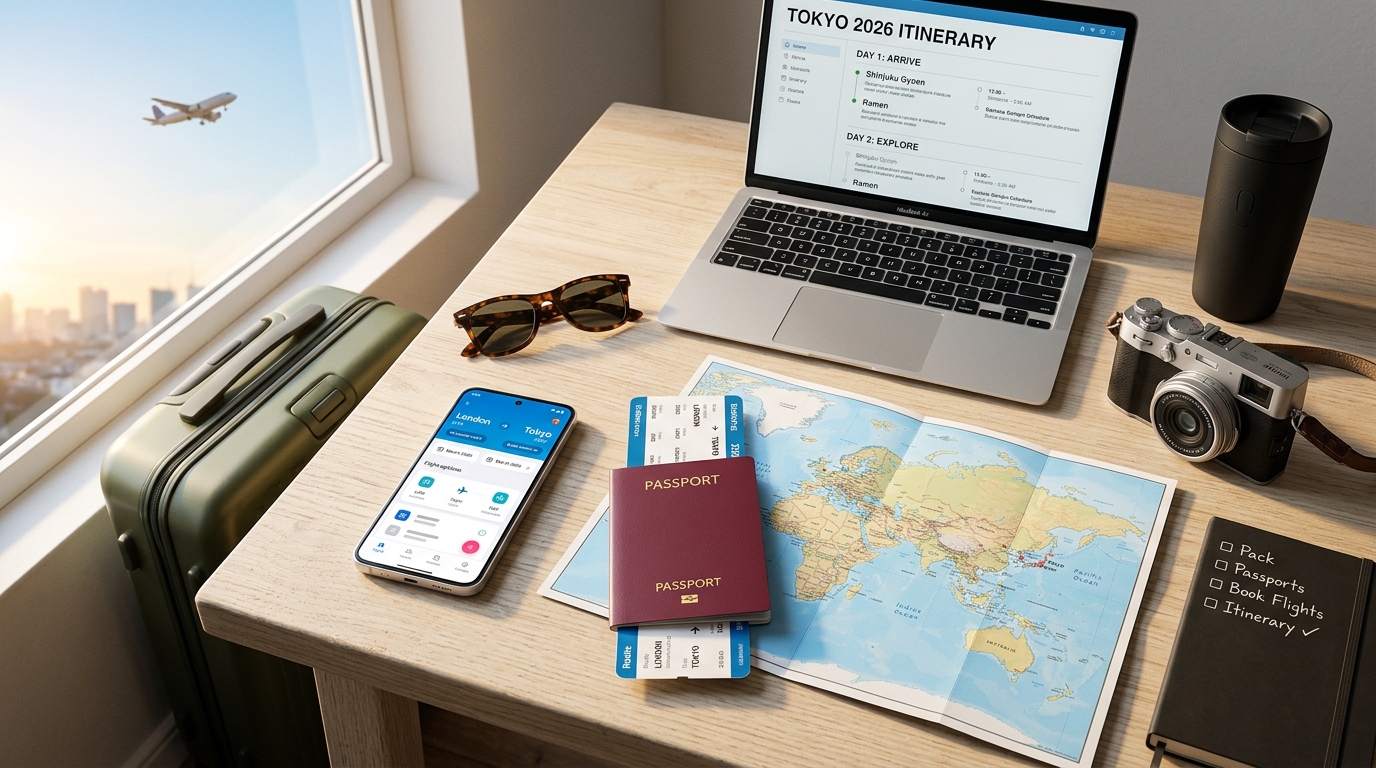
Booking a flight is the exciting part of planning a trip. The part that decides whether your journey feels smooth or stressful is everything around it: staying connected the moment you land, being protected if plans go wrong, and carrying your belongings in a way that does not wear you out. This guide walks through the essentials step by step, so you can leave home feeling prepared instead of worried.
Why Preparation Matters More Than the Destination
Many travelers spend weeks comparing hotels and sightseeing spots, then pack in a rush the night before. That is when problems start. You land with no mobile data and cannot open your map or ride-hailing app. A bag strap breaks on a busy street. A medical bill or a cancelled trip arrives with no cover in place. None of these are rare, and almost all of them can be avoided with a few hours of planning.
The good news is that you do not need to be an expert traveler to get this right. You only need to cover five areas before you go: connectivity, insurance, luggage, documents and budget.
1. Get Mobile Data Before You Land
The first thing most people want after a long flight is to message their family, order a taxi or check directions. Searching for airport Wi-Fi or queuing at a counter for a local SIM wastes time, and roaming charges from your home carrier can be surprisingly high.
A travel eSIM removes this problem. Instead of inserting a physical card, you buy a data plan online and install it on your phone digitally. That means you can arrange everything from home, before your flight.
aloSIM is one service that offers travel eSIM plans covering more than 200 countries. It uses prepaid data packages, with different plans for different destinations, and plans start at around $4 to $5. You can also use dual SIM, so your original number stays active for calls and messages while the eSIM handles your data.
Here is how to use an eSIM properly:
- Check compatibility first. Make sure your phone supports eSIM and is unlocked before you buy.
- Choose the right plan. Pick a plan for the country you will visit, and consider how much data you really need. Maps and messaging use little, while video calls and streaming use a lot.
- Install before you fly. The simplest method is usually through the provider’s app, but QR code and manual installation also exist.
- Activate after landing. An eSIM plan generally starts working only when you are physically in the country it was bought for, so turn on the eSIM line and enable data roaming for it once you arrive.
- Switch off roaming on your main SIM. This prevents surprise charges from your home carrier.
If you run out of data during the trip, you can usually top up quickly, so you are never stuck without internet.
2. Do Not Skip Travel Insurance
Insurance is the item travelers most often skip and most often wish they had bought. Think about what can go wrong: a flight cancelled at the last minute, luggage lost on a connection, a sudden illness abroad, or an injury during an activity. Medical care in another country can be very expensive, and without cover you pay it yourself.
Auras Insurance offers plans built for travelers, including single trip, multi trip and annual options. It also provides adventure and extreme sports coverage, which matters if your plans include hiking, skiing or similar activities that standard policies may not include. Everything is handled online, which makes it quick to compare and buy.
When choosing a policy, keep these points in mind:
- Match the plan to your travel pattern. A single trip plan suits one holiday. If you travel several times a year, an annual plan is often more convenient than buying a new policy each time.
- Read the coverage details. Check what is included, such as medical expenses, trip cancellation and lost baggage, and what is excluded.
- Declare your activities. If you plan adventure sports, make sure they are covered, because many standard plans exclude them.
- Keep your documents handy. Save your policy number and the insurer’s emergency contact in your phone and on paper.
- Buy early. Purchasing soon after booking your trip can help you be covered for cancellations that happen before departure, depending on the policy terms.
Insurance costs only a small part of your trip budget, but it can save you from a very large bill.
3. Pack Smart With the Right Bag
Your bag is the one piece of equipment you carry through airports, stations, hotels and busy streets. A bad one makes every day harder. A good one disappears on your back and keeps your belongings protected.
Look for these qualities:
- Lightweight construction. The bag itself should not add unnecessary weight before you pack anything.
- Durable, weather-resistant materials. Rain, dust and rough handling are part of travel.
- Organized compartments. Separate sections for clothes, documents, electronics and toiletries save time and stress.
- Comfortable straps and a good fit. You may carry it for hours, so comfort matters more than looks.
- Cabin-size friendly. Check your airline’s size limits to avoid surprise fees at the gate.
If you travel with a camera, drone or other creator gear, protection becomes even more important. Gura Gear makes camera bags, travel backpacks and duffels designed to be light and durable, with water and weather resistance and padding that protects lenses and cameras. It is a useful option for photographers, videographers and content creators who want their gear and daily items in one place.
A simple packing rule works well: lay out everything you plan to take, then remove a third of it. Most travelers overpack, and a lighter bag makes moving between cities far easier.
4. Prepare Your Documents and Digital Backups
Paperwork is boring, which is why it is often forgotten. Spend an evening on it, and your trip will be calmer.
- Passport and visas. Check your passport’s validity and entry rules for every country on your route, including transit stops.
- Digital copies. Save photos or scans of your passport, tickets, hotel bookings and insurance policy in cloud storage and offline on your phone.
- Emergency contacts. Write down your embassy’s contact details and a family member’s number on paper.
- Bank and cards. Let your bank know you will be abroad and carry a backup card in a separate place from your main wallet.
- Offline maps and apps. Download maps and translation languages before you leave, so you are covered even if your signal drops.
- Power essentials. Pack a power bank and a universal adapter, because a dead phone makes every other preparation useless.
5. Build a Realistic Travel Budget
Budgeting is not about limiting your fun. It is about knowing where your money goes so nothing surprises you. Split your budget into clear parts: flights, accommodation, food, local transport, activities, connectivity, insurance and an emergency fund.
Booking connectivity, insurance and gear before you leave usually helps in two ways. You can compare options calmly, and you avoid paying inflated prices at the airport or in a rush. Keep a small cushion for the unexpected, such as an extra taxi, a missed connection or a forgotten charger.
Offers and prices on travel services change often, so check the latest details on each provider’s page before you buy.
A Quick Pre-Departure Checklist
- Passport, visa and tickets saved digitally and on paper
- eSIM installed and ready to activate on arrival
- Travel insurance purchased and policy details saved
- Bag packed light, with valuables in your carry-on
- Phone, power bank and adapter charged and packed
- Bank notified and backup card ready
- Offline maps and key apps downloaded
Final Thoughts
A great trip is rarely about luck. It comes from small decisions made early: having data when you land, being covered if something goes wrong, and carrying your belongings in a bag that works with you. Take care of these five areas, and you free your mind to enjoy the food, the people and the places you came to see. Start with this checklist today, and your next international journey will feel simpler from the first step to the last.