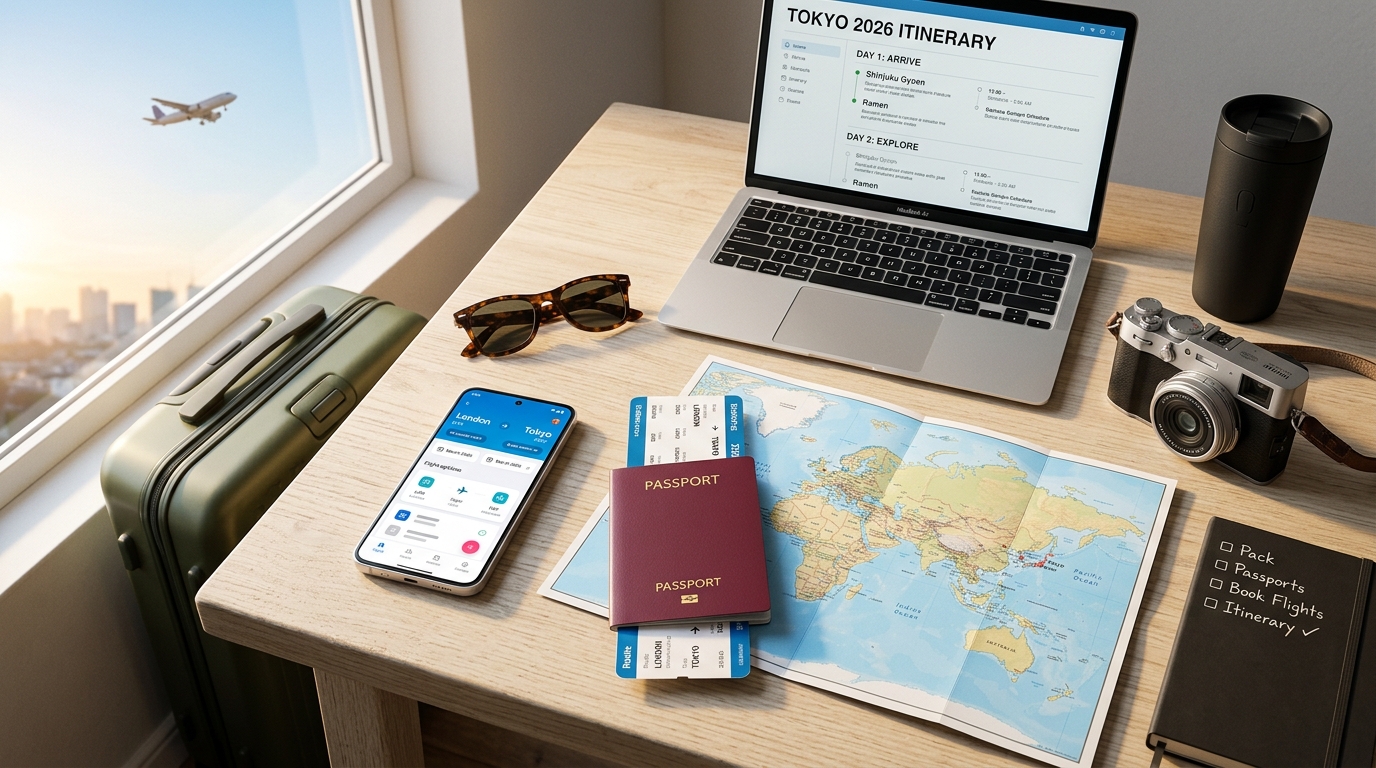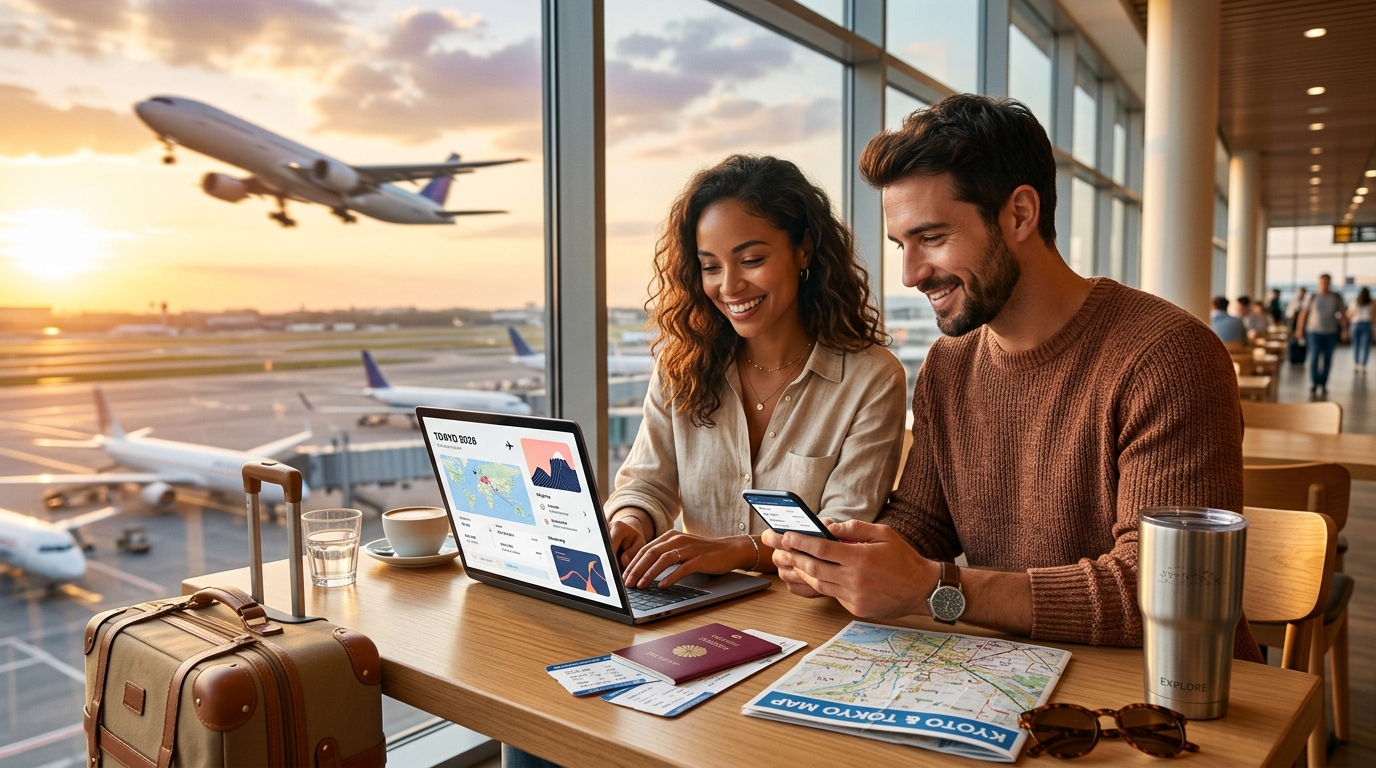
Travel planning can feel overwhelming, especially when you are trying to manage flights, hotels, transportation, packing, and daily expenses. With the right strategy, however, you can plan a smooth trip, avoid unnecessary costs, and enjoy every moment without stress. This guide shares practical travel tips for budget-friendly planning, smarter packing, road trips, and everyday travel essentials.
If you are starting from scratch, our complete travel planning guide for 2026 (blue color, bold, italic, underline) is a great place to begin. It covers destination research, budgeting, booking timelines, and trip organization in detail.
Start With a Clear Travel Budget
Before booking anything, decide how much you can comfortably spend. A good travel budget should include flights, accommodation, local transportation, food, activities, travel insurance, shopping, and emergency expenses.
Break Your Budget Into Categories
Divide your total budget into smaller categories so you can track spending easily. For example, allocate a fixed amount for accommodation, transportation, meals, attractions, and unexpected costs. Keeping a small emergency fund is always a smart idea, especially for international trips.
Book at the Right Time
Flight and hotel prices often change based on demand, season, and booking timing. Try to compare prices across different dates and avoid booking during peak holidays unless necessary. Flexible travel dates can help you find better deals.
Choose the Right Destination
The best destination depends on your budget, travel style, weather preferences, and the type of experience you want. Some travelers prefer beaches and relaxation, while others enjoy city tours, hiking, food experiences, or cultural attractions.
Research Before You Book
Read recent traveler reviews, check local weather, understand visa requirements, and research transportation options. Also, look for free or low-cost attractions near your accommodation. This can significantly reduce your overall trip cost.
Save Money on Transportation
Transportation is one of the biggest travel expenses. Planning it early can help you save money and avoid last-minute stress.
Use Car Rentals for Road Trips
If you are planning a road trip, renting a car can give you more freedom to explore offbeat places at your own pace. You can compare rental options and find deals through Car Rental 8 coupons and deals (blue color, bold, italic, underline). Car Rental 8 works with major rental suppliers and offers rentals across more than 17,000 locations in 125 countries.
Booking early can also help, since car rental rates are dynamic and may rise as availability decreases.
Use Public Transportation When Possible
In major cities, public transportation is often cheaper than taxis or ride-sharing services. Metro cards, day passes, and local bus passes can save money while helping you experience the destination like a local.
Pack Smart, Not Heavy
Overpacking is one of the most common travel mistakes. A lighter bag makes airport transfers easier, reduces baggage fees, and gives you more flexibility during the trip.
Follow a Simple Packing Checklist
Pack versatile clothing that you can mix and match. Bring comfortable walking shoes, weather-appropriate layers, chargers, medications, travel documents, and a small first-aid kit. Roll your clothes instead of folding them to save space.
Keep Travel Essentials Handy
Keep your passport, ID, boarding pass, wallet, phone, charger, and medications in an easy-to-access bag. If you are traveling with children, pack snacks, entertainment, and extra essentials in your carry-on.
Stay Comfortable During Long Trips
Long flights, road trips, and outdoor adventures become much easier when you have the right travel essentials. A reusable insulated bottle or can cooler can keep drinks cold during sightseeing, beach days, camping trips, or long drives.
For example, Frost Buddy coupons and deals (blue color, bold, italic, underline) can help you save on insulated drinkware designed for travel. Frost Buddy’s universal cooler is made to fit many 12oz and 16oz cans and bottles, with double-wall vacuum insulation that keeps drinks cold for 12+ hours and hot for 6+ hours.
Plan Activities Without Overbooking
It is tempting to fill every hour with tours and attractions, but an overloaded schedule can make your trip exhausting. Leave room for rest, spontaneous exploration, and local experiences.
Make a Flexible Daily Plan
Choose one or two main activities per day and keep the rest of the schedule open. This approach helps you enjoy the destination without feeling rushed. It also gives you time to discover local cafés, markets, parks, and hidden spots.
Protect Your Trip With Travel Insurance
Travel insurance may seem like an extra expense, but it can protect you from costly problems such as trip cancellations, medical emergencies, lost baggage, or travel delays. Review the policy carefully and make sure it covers your destination and planned activities.
Frequently Asked Questions
How early should I start planning a trip?
For international travel, start planning at least two to three months in advance. For domestic trips, four to eight weeks is usually enough. Booking early can help you find better prices on flights, hotels, and car rentals.
How can I save money while traveling?
Set a clear budget, travel during off-peak seasons, compare transportation options, use public transport, look for free attractions, and book car rentals or activities in advance.
Is renting a car better than using taxis?
For road trips or destinations with limited public transportation, renting a car can be more convenient and cost-effective. For short city stays, public transport or ride-sharing may be a better option.
What should I pack for a trip?
Pack versatile clothing, comfortable shoes, travel documents, chargers, medications, toiletries, a reusable water bottle, and weather-appropriate layers. Keep important items in your carry-on bag.
Do I really need travel insurance?
Travel insurance is recommended, especially for international trips. It can help cover unexpected costs related to medical emergencies, trip cancellations, lost baggage, or travel delays.
How can I avoid overpacking?
Make a packing checklist, choose mix-and-match outfits, limit shoes, use travel-size toiletries, and roll clothes instead of folding them. Pack only what you know you will use.