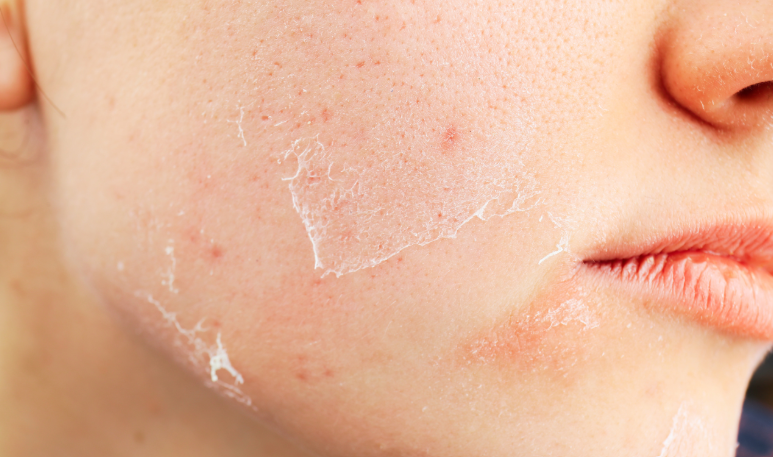
What Is Sensitive Skin?
Sensitive skin reacts quickly to things like weather changes, strong smells, or new products. Common signs include:
-
Skin that turns pink or red when you wash your face - burning, stinging with new things
-
Dry, scaly or tight skin - small eruptions from heavy creams or perfume
Some people are born sensitive-skinned. Some people can get it over time from scrubbing too much or using too many products at once. This routine isn't going to fix your skin overnight, but it will help to calm it down and build it back up.
A weak skin barrier, in fact, is a major cause of sensitive skin, according to the National Eczema Association(VIEW NOW)
Mornings.
1. Cleanse with a mild cleanser
Opt for a mild fragrance-free cream or gel cleanser. Helps to calm irritation and redness.
2. Use a Soothing Toner
Use a mild toner containing aloe vera or oats to soothe your skin. This step is optional, but helps in dry weather.
3. Hydrate
Look for a ceramide moisturiser. These help rebuild your skin's natural barrier.
4. Sun protection 
Sunscreen, every day, even if it’s cloudy. Opt for a mineral sunscreen containing zinc oxide or titanium dioxide. They're softer. They sit on your skin instead of soaking in.
[According to the FDA]
(SEE HERE) zinc oxide and titanium dioxide are the safest sunscreen ingredients
Nightly Routine
1. Wash your face 2 times
If you wear makeup or sunscreen, first remove it with a gentle cleanser, then wash your face again. Don't dry your skin by rubbing.##
2. Serum for Hydration
Search for hyaluronic acid or glycerin. These add moisture, but don’t irritate your skin. Avoid serums that contain alcohol or heavy oils.##
3. Nite Cream
Your skin heals as you sleep. A thick nite cream, unscented, containing shea butter or oats, can do wonders.
4. Treat as Needed
If you do get the occasional breakout, treat the spot not the whole face. It’s less irritating.##
Good Ingredients To Use
-
Aloe vera – calms red, irritated skin -
-
Oatmeal – relieves itching and redness -
-
Ceramides – repair your skin barrier -
-
Niacinamide (small amount)- helps to reduce redness over time -
-
Squalane – hydrates without clogging pores
Foods To Avoid
-
Fragrance or colour included Alcohol denat. ( a kind of alcohol that dries ) -
-
Sulphates (see SLS or SLES in the ingredients) -
-
Potent retinol or acid exfoliants -
-
Strong essential oils, especially citrus
Sensitive Skin Makeup Tips
-
Opt for mineral-based foundation rather than liquid formulas. -
-
Test makeup on arm for a day before using on face. -
-
Wash off your make-up every nite before sleeping.
-
Mascara and liquid eyeliner should be replaced every three months.
Skin-Friendly Practices
-
Drink water to help maintain a healthy skin barrier.
-
Get good sleep; while you sleep, your skin repairs itself.
-
Control stress, which can cause flare-ups.
-
Eat healthy: Salmon and walnuts are good for healthy skin.
Looking for more tips? Want to know how to use your products the right way? Check out our guide on [how to build a simple daily wellness routine] or our [beginner’s guide to layering skincare products].
Mistakes to Avoid
1. New things coming too fast. “Roll out a new product every week or two, so you can see what gets a reaction.”
2. Over-exfoliating. Sensitive skin should exfoliate once or twice a week.
3. Skipping sunscreen on cloudy days. Even on a cloudy day, UV rays can penetrate clouds and still hit your skin.
4. Rolling out new seasonal products too soon. Roll out new seasonal products over a week or so.
For sensitive skin, the [American Academy of Dermatology](VIEW)
suggests a simple routine of fragrance-free products. The (Mayo Clinic) also recommends trying new products before you add them to your routine.
Example Weekly Schedule
Day Morning Night
Mon–Fri Cleanser, Moisturiser, Sunscreen Cleanser, Serum, Night Cream
Sat Cleanser, Moisturiser, Sunscreen Gentle Exfoliation, Night Cream
Sun Cleanser, Moisturiser, Sunscreen Cleanser, Hydrating Mask, Night Cream
Finding the Right Skin Products
With so many choices in the store, choosing new skincare products can be confusing. A good rule of thumb is to always read the ingredient list before you buy anything—even if the packaging says “gentle” or “for sensitive skin.” These words are not regulated, so a product can still have fragrance or harsh chemicals and use them. Instead, seek out products with short ingredient lists you recognise. And choose “fragrance-free” products over “unscented” ones, which often add hidden chemicals to mask the scent.
Good to know: try shopping by concern as well as brand. If the dryness is the main thing you’re concerned about, look for products with ceramides and hyaluronic acid. If redness is your primary concern, seek out soothing ingredients such as oats or niacinamide. When you buy products targeted to your specific symptoms, instead of chasing the latest trends or most popular brands, it’s much easier to build a routine that actually works for your skin.
Final Thoughts
You don’t have to complicate caring for sensitive skin. Use mild and unscented products. Gradually add new products. Give your skin a helping hand with water and good sleep. Over time, this simple routine can help repair your skin's barrier and diminish redness and irritation.
Never done skincare? Save this guide and refer to our [full beginner’s guide to skincare routines] as you work on your own.
FAQ’s
1. What is a good skin care regimen for sensitive skin?
Keep it simple. Use a gentle cleanser, a light moisturiser and a sunscreen in the AM. At night, apply a hydrating serum and a night cream.
2. How long will it take for sensitive skin to settle down?
Most people will notice decreased redness in 2 to 4 weeks. Full recovery is 6-8 weeks.
3. Are natural products always safe for sensitive skin?
Not always. Some natural ingredients, such as essential oils, can irritate the skin, too. Always check the ingredients.
4. Do I need to wear sunscreen every day?
Yes. Daily, even on cloudy days, sunscreen protects your skin and prevents flare-ups.
5. What ingredients should I stay away from altogether?
Does not contain added fragrance, alcohol denat., sulphates, strong acids, or retinol. Add new ingredients gradually.