How to Choose Skincare Products for Your Skin Type
Your skin will usually tell you what it needs. Cleansers that leave skin feeling tight point to dryness. Shiny spots or clogged pores point to oiliness. Redness, burning, or general discomfort point to sensitivity.
Acne-prone skin has its own toolkit. Salicylic acid can exfoliate excess oil and dead skin cells, and retinoids can treat both acne and other concerns though these active ingredients shouldn't be combined carelessly, since layering too many actives at once is a common cause of irritation on sensitive skin.
Start by identifying your primary concern before shopping for a fix. Choosing products based on a viral video rather than your actual skin type is one of the fastest ways to end up with a cabinet full of things that don't work.
Keep the Basics Consistent
A basic skincare routine typically consists of a cleanser, a moisturizer, and sunscreen, with treatment products layered in only for specific concerns. This also makes troubleshooting easier: fewer variables means it's simpler to tell what's actually working. A more streamlined approach — rather than a long, ever-changing routine — is what dermatologists consistently recommend heading into 2026.
Create a Simple Morning Skincare Routine
Morning care exists to prepare your skin for the day. Use a mild cleanser if needed, follow with a treatment or serum, then apply moisturizer and a broad-spectrum sunscreen.
Vitamin C can offer antioxidant support, while niacinamide helps with oiliness, uneven tone, or barrier support. You don't need both — pick according to your skin goals and sensitivity.
Skincare Routine for Oily, Acne-Prone Skin
Greasy, acne-prone skin generally does better with lighter products. A mild cleanser removes buildup without leaving skin tight, followed by a light serum and moisturizer. Salicylic acid can help with acne and clogged pores, but recent coverage on oily-skin care points out it's more effective to balance oily skin than to strip it entirely.
Skincare Routine Order: What Goes First?
Knowing the correct layering order makes any routine easier to manage. The general sequence is:
● Cleanser → toner or essence → serum → moisturizer → sunscreen
Not every step is required skip toner or essence and go straight to serum or moisturizer if that suits you. At night, remove makeup and sunscreen first, then cleanse, exfoliate if needed, and moisturize.
When layering more than one product, Good Housekeeping's dermatologist-sourced guidance notes that the order products go on can change how well later products absorb and perform — it isn't just a cosmetic detail.
How to Use Active Skincare Ingredients Safely
The more powerful the ingredient, the more planning it needs. Ingredients like retinol, AHAs, and BHAs can irritate skin if combined carelessly.
One workaround: apply an exfoliating acid one night and retinol the next, which minimizes added sensitivity for anyone who can't tolerate using both at once.
The UK's Marie Claire's guide to choosing skincare specifically advises against mixing strong ingredients like AHAs, BHAs, and retinol in the same routine, especially on sensitive skin.
Adjust Care When Weather Changes
Weather affects how your skin looks and feels. Cold air can dehydrate skin, while heat and humidity make oily skin feel heavier.
That doesn't mean you need a completely different lineup for every season — small adjustments usually do the job. In cold Canadian winters, a richer moisturizer tends to help; in humid parts of the U.S., a lighter gel cream may be more comfortable. UK weather can shift quickly, and wind, cold temperatures, rain, and indoor heating can all affect skin comfort.
Winter Skincare Routine for Dry Skin
A winter routine works best as gentle cleansing plus consistent moisturizing — skip strong cleansing formulas, and moisturize shortly after cleansing while skin still feels slightly damp. Look for ingredients like ceramides, glycerin, or hyaluronic acid. Current moisturizer coverage from Allure notes that skin type should guide whether you reach for a richer or lighter texture.
Simple Makeup Routine for Everyday Wear
Makeup performs best on well-prepped skin. Start with a clean face, moisturize, apply sunscreen, and give both time to settle before your base product.
Too little hydration can make foundation look uneven; too much oil can affect how long it wears. Choose makeup that matches your skin type rather than fighting against it.
A simple everyday look might include:
● Skin tint or foundation
● Concealer
● Blush
● Mascara
● Lip color
For extra definition, layer in powder, bronzer, eyeliner, or highlighter. The most popular 2026 makeup trends lean toward lightweight bases, skin-tone-matching foundations, serum foundations, cream blushes, and multitasking products.
Remove Makeup Before Sleep
Removing makeup matters because leftover cosmetics, sunscreen, and daily oils can sit on skin overnight. A cleansing water, balm, or oil works well, followed by a mild cleanser.
Double cleansing isn't necessary every night if one clean pass removes everything without irritation, that's often enough. Good Housekeeping's latest advice notes double cleansing is especially useful after wearing heavy sunscreen or makeup.
Build an Effective Evening Skincare Routine
Nighttime care gives you time to remove the day's buildup and apply targeted treatments. Cleanse away makeup and sunscreen, cleanse again if needed, then apply a treatment suited to your concern.
For acne, that might mean salicylic acid or a retinoid; for hydration, a serum with hyaluronic acid is a better fit. Finish with moisturizer. Marie Claire UK's current guidance centers evening care around cleansing, treatment, and hydration rather than unnecessary extra layers.
When to Simplify Your Skincare Routine
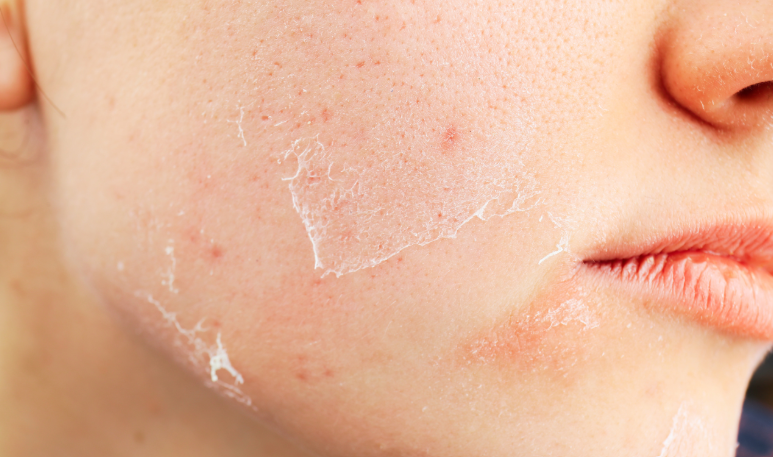
Your skin may be telling you you've overdone it. Watch for ongoing dryness, burning, redness, tightness, or unusual sensitivity — often signs of over-exfoliation or a poor ingredient combination.
If irritation shows up, drop any unnecessary actives, keep cleansing light, and focus on hydration. Good Housekeeping's dermatologist-backed take is that complex regimens, frequent product-switching, and poor ingredient pairing are common causes of irritation.
Support Beauty With Wellness
Skin doesn't exist in isolation. Sleep, hydration, a balanced diet, exercise, and stress management all play a role in how your skin looks and how well your skincare routine actually works.
None of this replaces medical care for an actual skin condition. Set habits that are realistic: a short evening routine you'll actually follow beats an elaborate one you abandon after a week.
Keep Self-Care Manageable
A few small habits go a long way: clean your makeup brushes regularly, change pillowcases often, keep products organized, and prioritize rest. Marie Claire UK's beauty coverage ties skincare, makeup, hair care, and wellness together into everyday, weekly, and monthly habits.
Protect Your Skin Barrier
Your skin barrier locks in moisture and keeps irritants out. Over-cleansing and excessive exfoliation compromise that function, leading to dryness, tightness, or unusual sensitivity.
Ceramides, glycerin, hyaluronic acid, and niacinamide can support hydration and barrier repair but the right combination depends on your skin and what else you're using.
Avoid Over-Exfoliation
AHAs and BHAs improve texture and clear away dead skin cells, but more isn't automatically better. Introduce an exfoliant slowly, follow label instructions, and watch how your skin responds. If you're already using retinol, factor in your skin's total stimulation load before adding another active.
How to Introduce New Skincare Products Safely
Add one product at a time. Patch test on the inside of your arm or behind your ear, then wait 24–48 hours to check for a reaction.
If your skin stays comfortable, apply it to your face following the label directions, and give any active ingredient retinoids, AHAs, or BHAs a proper trial run before adding anything else.
Watch for burning, swelling, intense itching, or ongoing redness. Stop use if you notice a strong reaction, and seek professional advice if it persists.
Know When You Need Expert Advice
Skincare can handle most common issues, but some situations call for a professional. Severe acne, ongoing irritation, or an unusual skin change are all reasons to see a dermatologist as is hitting a wall with over-the-counter products.
It's also worth resisting the assumption that pricier or stronger products automatically work better. As you get more experienced, your choices should get more selective, not more complicated.
Conclusion
Finding the right skincare approach comes down to understanding your own skin rather than chasing the latest trend: a simple foundation, sensible product use, and texture adjustments as the weather changes. Protect your skin barrier, and introduce active ingredients in small amounts.
Good skin prep supports makeup, and wellness habits support skin. Most of all, pay attention to what your skin is telling you good decisions come from noticing, not from complicating things.
FAQs
What is the best winter skincare routine for dry skin?
Start with gentle cleansing and hydration, plus daytime sun protection and moisturizer. A richer moisturizer tends to feel more comfortable in cold weather. If skin feels tight or irritated, cut back on harsh exfoliation.
What are the tips to take care of sensitive skin for beginners?
Start slowly. Apply a mild cleanser, moisturizer, and sunscreen first, then add any targeted treatments. Test one product at a time so you can identify irritation before it becomes a pattern.
What is a good morning skincare routine for oily, acne-prone skin?
Use an effective cleanser followed by a light treatment or serum, then a non-greasy moisturizer and a good-quality sunscreen. Salicylic acid or niacinamide can work well for some oily, acne-prone skin types, while more sensitive skin may want to introduce them more gradually.